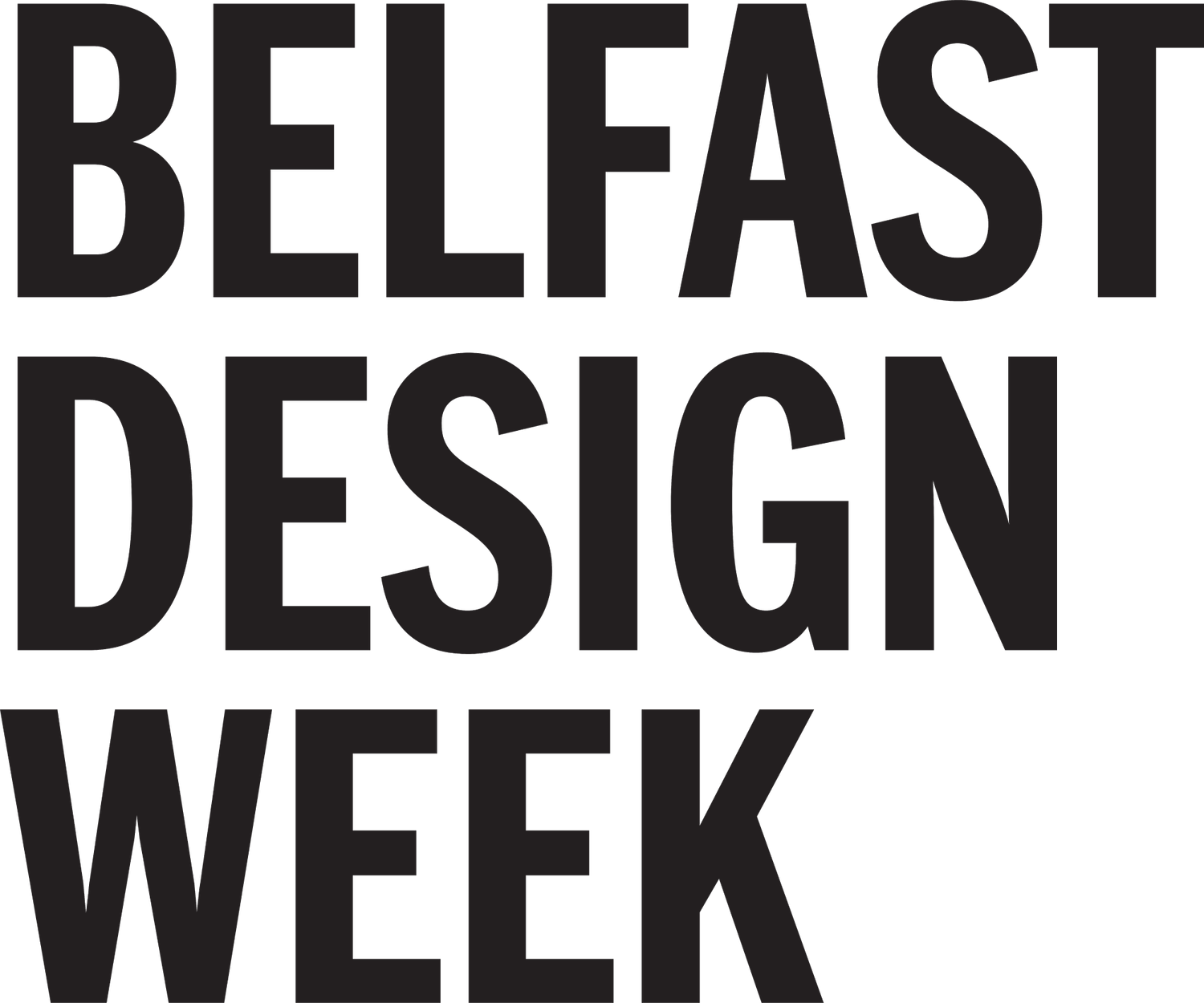
Plant Stories: Native Coffee
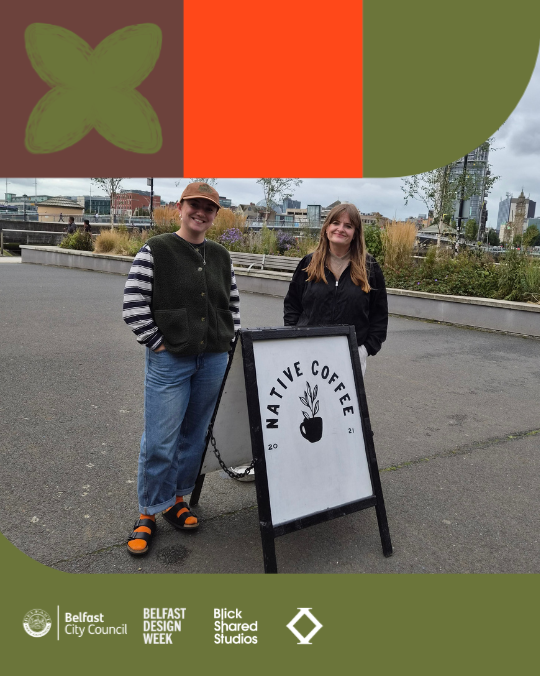
I’m Jenna, and I am the events, marketing and community engagement manager at Native. We started out as a community coffee shop and I think what tells us apart is that we are very values-driven. We do a lot in terms of our sustainable practices and our commitment to building community in a third space.
When was Native Coffee launched and how did it come about?
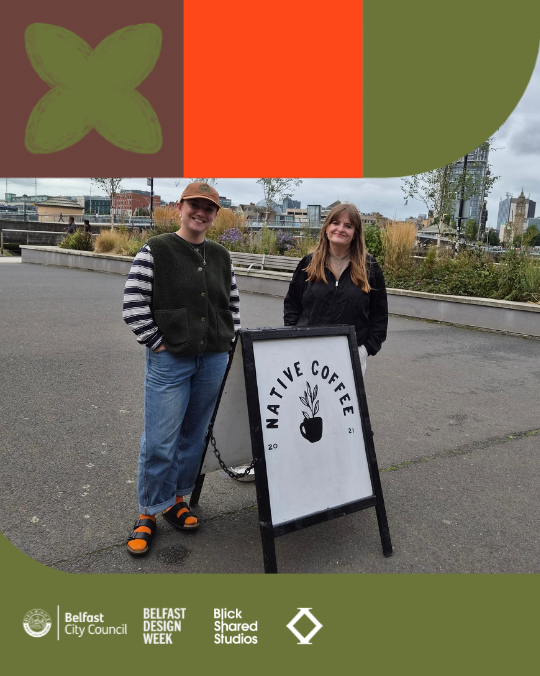
Like a lot of coffee projects, Native started post-COVID as a way of bringing people together, the co-owners converted a horse box themselves and set up at a beach in County Down. After a while, they started going to more and more community gatherings where people come together. They saw this space at Queen’s Quay go to tender for the Maritime Isle and thought that it seemed like an amazing project and collaboration with the architects of the Maritime Belfast Trust. Regeneration around the waterfront is something that we're all passionate about.
Who are the main customers for Native? Do you see a lot of tourists or is it a lot of locals or both?
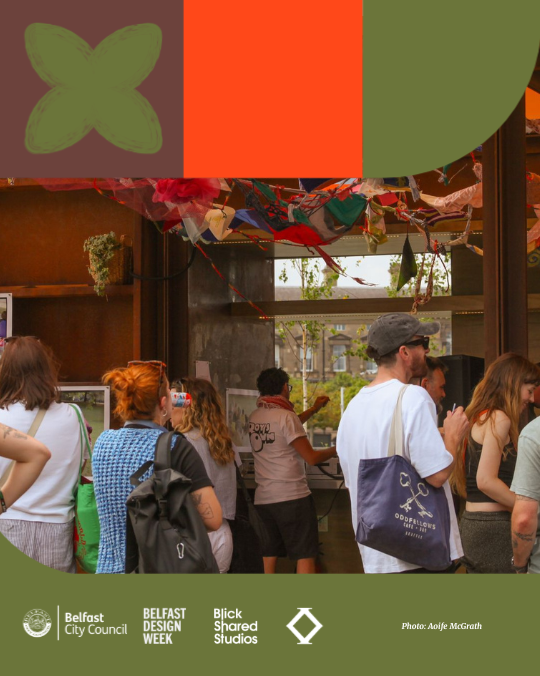
We're very lucky that we have such a mixed bag of people. For a lot of the tourists, one of their number one destinations is to visit the Titanic Museum and if they decide to walk, which most of them do, they - kind of - have no choice but to pass by us! And it's really nice to see people just stumble upon us, and not realise that we're there and decide to stop for a coffee. We've got a lot of residents as well around us that come and walk their dogs along the water, we've got loads of office workers from across the way and then the regular coffee lovers as well as families.
I think it's one thing saying that you're open to everyone and everyone's welcome, but it's another thing actually being able to show different people, cultures and backgrounds actively gathering here.
Tell us about some event highlights from Native.
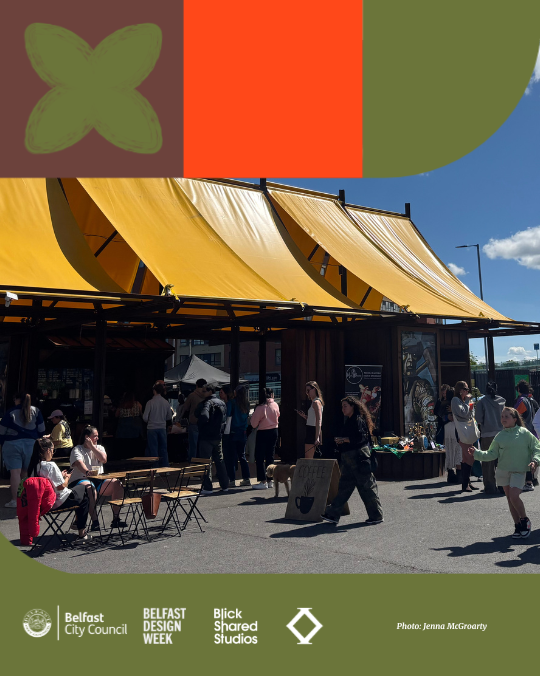
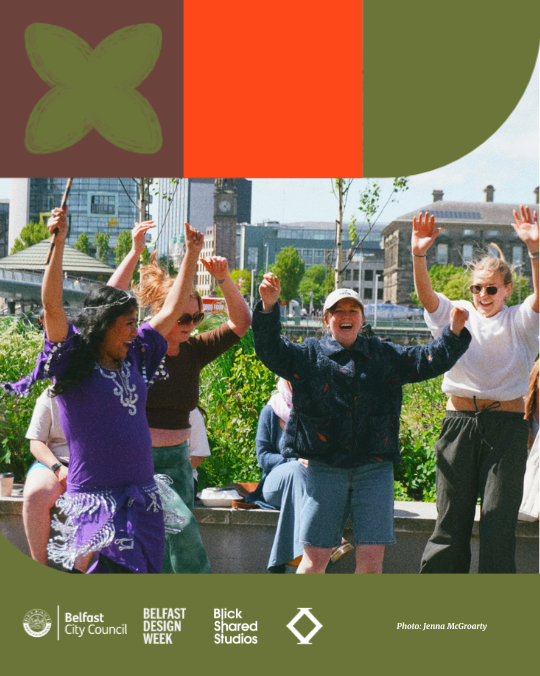
This summer has been amazing, and for the events it started in May with the WOC Block Party that was a real instigator of what this summer was going to be like and it was amazing - honestly - to have that many traders down here and to see everyone just having a great time. Everyone was dancing, talking to all the traders and learning about what they were selling and where it came from and it was just such a special day. It was maybe the highlight of the entirety of being at Native for me.
Then we had our Big Native Weekender, which was climate focused. We had a lot of speakers, planting workshops, loads of different events around sustainable practices and how individuals could do their bit but also save money and have fun and build it into their routines.
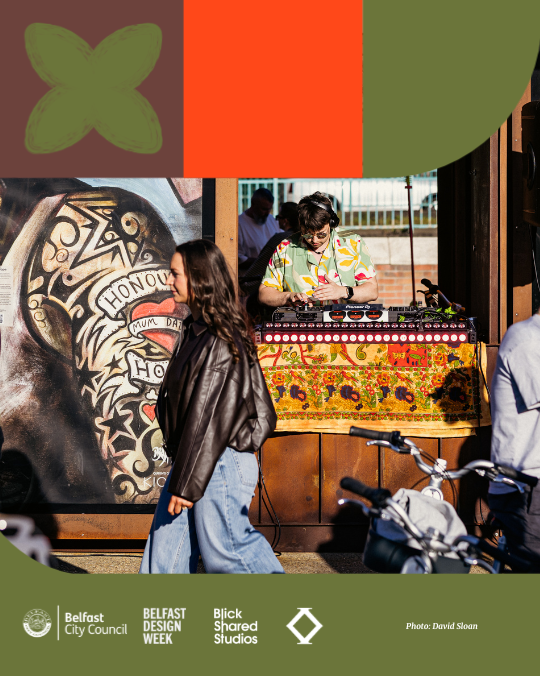
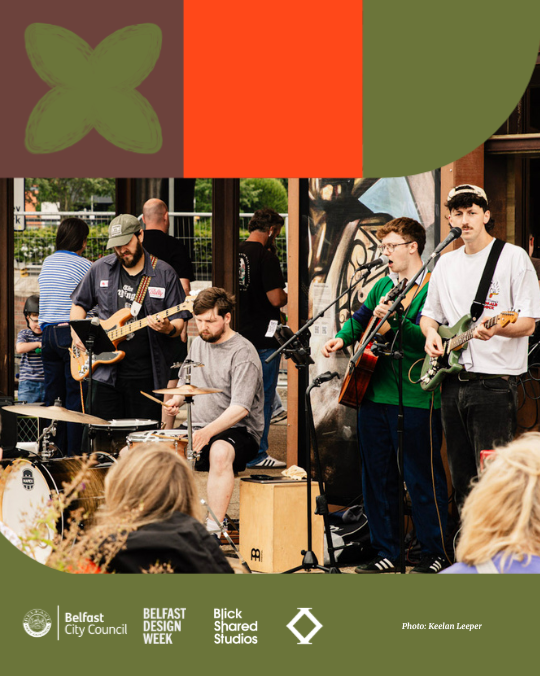
Then we ran our Sundays On The Mile programme. We had Brazilian music, Jamaican music, different food traders coming down like Tasha from Taste Di Island. We had Ruchira and her supper club who brought the most infectious energy.
We have had so many events happen here and we run our climate cafes monthly as well. The guys from Critical Mass meet here too.
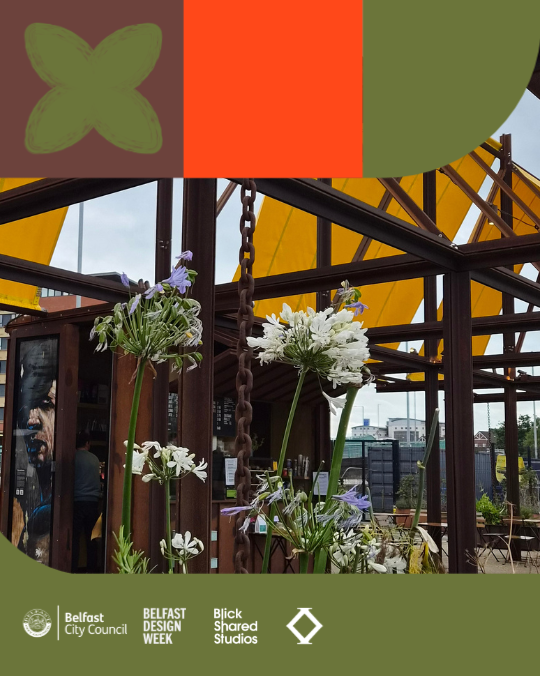
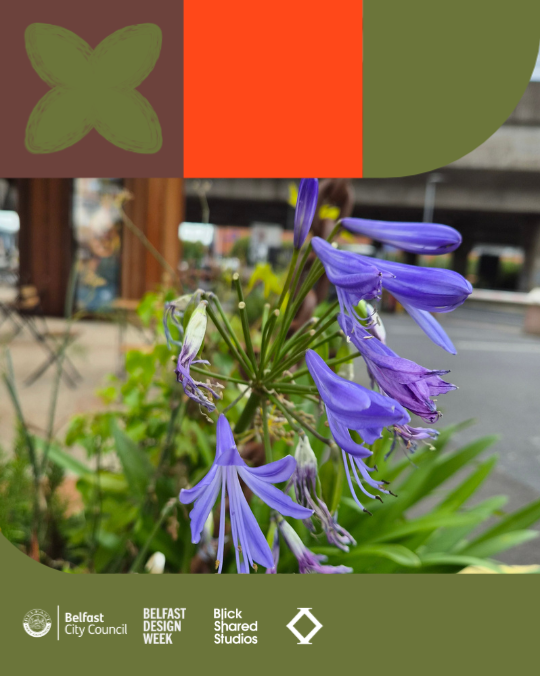
You have many plants in this amazing structure and kiosk that forms the Native Coffee space. Have they been hard to grow? How do you incorporate nature here?
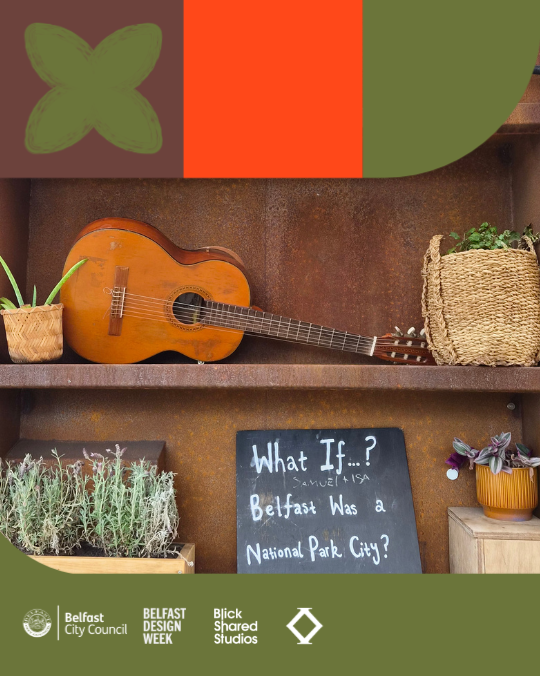
I think it's been crucial to the impact of this area and visually you can literally see the greenery here from across the bridge. The Maritime Belfast Trust and the architects that have worked on the project have worked really, really closely with Noel, from Spaces For Nature, who is just amazing.
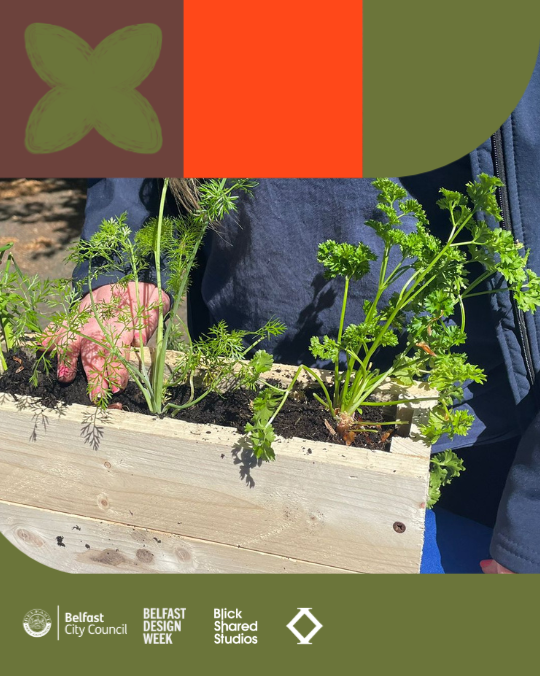
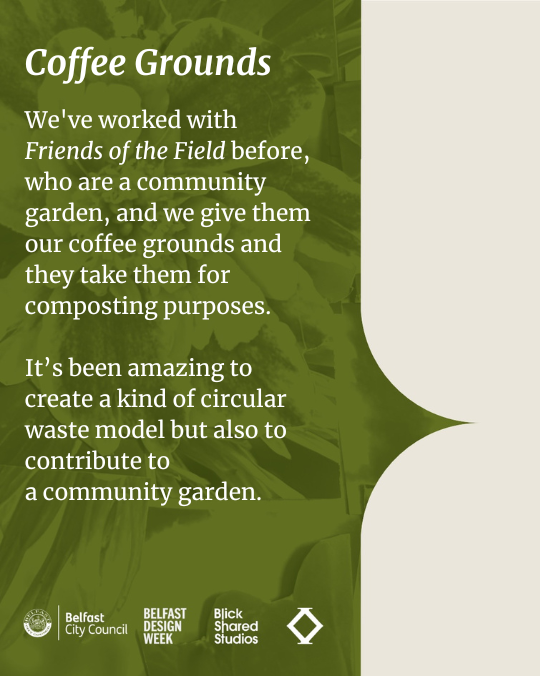
In terms of plants - those that are native to the land and the soil types - that's largely what each of the planters here have been built on and based around. We are doing our bit for the wildlife that is already here and giving them a home to thrive in as well. We've worked with Friends of the Field before, who are a community garden, and we give them our coffee grounds and they take them for composting purposes. It's been amazing to create a kind of circular waste model but also to contribute to a community garden.
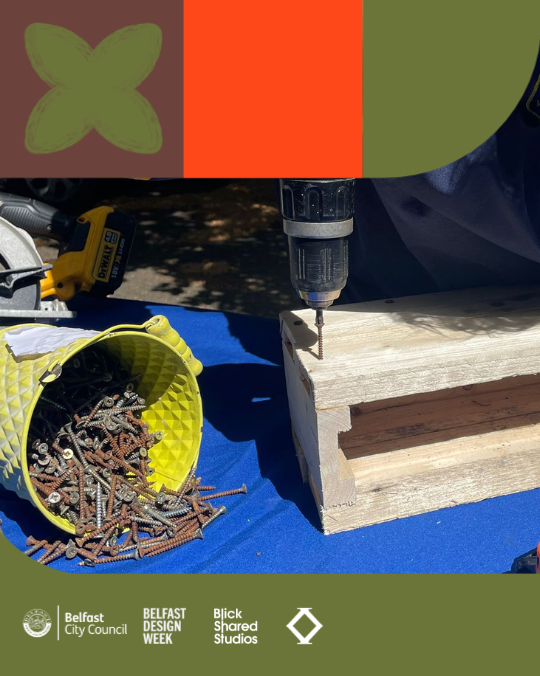
The Conservation Volunteers - we've worked with them before. We did a workshop during our Big Native Weekender and it was by far the most popular thing in terms of uptake and bookings and it sold out! It was about building your own plant planters, soil type plant types, everything for at home use and it was amazing.
Why do you think people are so interested in plants now? Plants have always been around and people have always grown things, but why this increased interest now?
I think it comes down to a lot of things. As a society, we're so far removed from our surroundings and nature, and - in my opinion, anyway - whether consciously or subconsciously, people are just pining to get that connection back. And then the disconnection from working with your hands is an issue as well. Planting is extremely beneficial to your mental health and it's just a really, really fun activity too. To be able to feel a sense of achievement, of building something, learning something new and then to see a plant thrive in your home too.
Plants - and in particular native plants - are good for biodiversity. Are native plants easier to maintain because they have adapted to this climate? How do you maintain the garden at Native?
They are a lot easier to maintain. However, this year we had a really, really hot summer, so I think all plants have had to adapt to what they were used to. We were definitely making sure that they were looked after with a bit more water than usual.
The way this building is actually structured, it collects water naturally. The reason we have chains on the plant pots here is that the rainwater will drip down and feed the plants. If you open up the water collector, there's a little bucket that you can put a hose into and take it out and use for the plants. Everyone that's been involved in this project down to the architects have really stuck to their values to design this.
Everything - everything - everything - has been thought about.
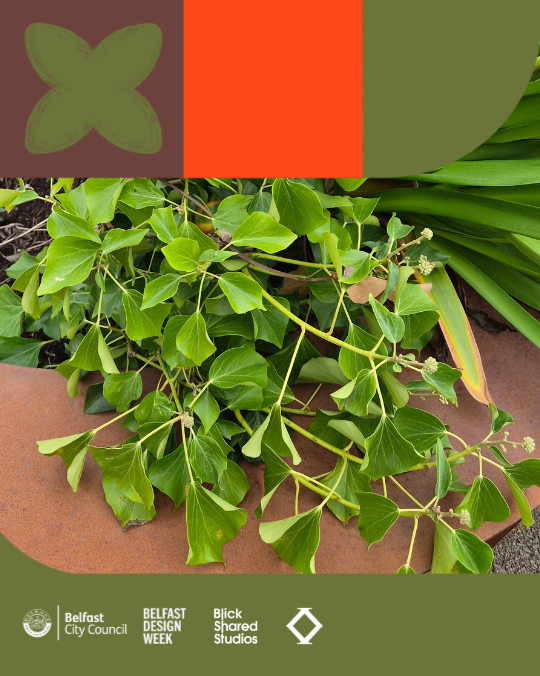
How about your own plant stories - do you have any you would like to share?
My parents didn’t really care much for plants, but also they were very, very busy people - you know - trying to raise their kids, but my grandparents were always coming down, trying to almost secretly plant at our house and saying things like, “you make sure your rose bushes are cut!”
Maybe I think that's where my perception about plants came in, but it's actually been really lovely in recent years going to my Nana, and asking things like, “Here, will you teach me how to re-root this plant?” We did an experiment with a couple of different roots of money plants and spider plants and it's been nice to nourish them and watch them grow.
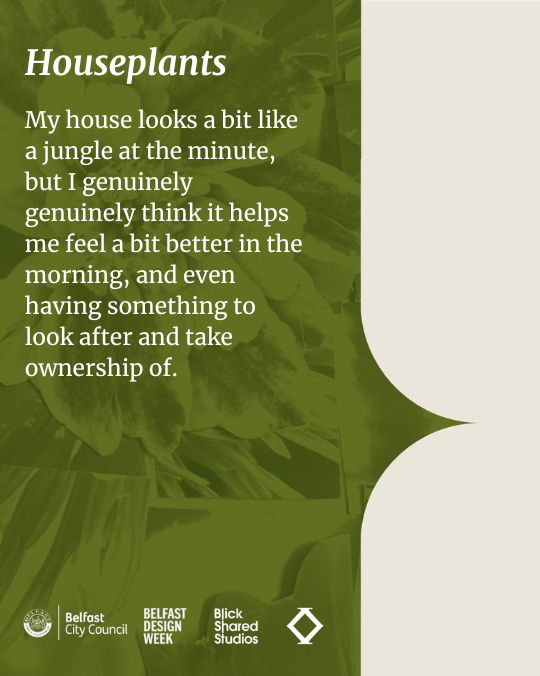
I've definitely become somewhat of a plant mom in the last couple years, but I have gone from being a student in a house where you don't really care that much about your space to then taking an interest in the greenery around me and the benefits of it. My house looks a bit like a jungle at the minute, but I genuinely, genuinely think it helps me feel a bit better in the morning, and even having something to look after and take ownership of.
What is the top tip that your Nana gave you?
Re-potting. You could go to my house now and you would see roots growing out of the soil at the bottom of the pot, where there shouldn't be, and she'd be coming up and being like, “What did I tell you?” She taught me when to re-pot and propagate plants.
I'm a plant mom now but I was a plant murderer for a while, and I was drowning my plants - absolutely drowning my plants - and just not understanding. One of my friends who is just amazing with their garden has completely renovated their house and garden and has built a pond and all their wildlife and everything else is thriving in the garden, it's amazing. I remember wondering what to do and asking her because I kept killing all my plants and she was like, “Ignore them, ignore them. I know you're giving them too much.”
And sure - they are fine, so-!
You mentioned that Native has sustainability at its centre, how do you navigate this in how you source?
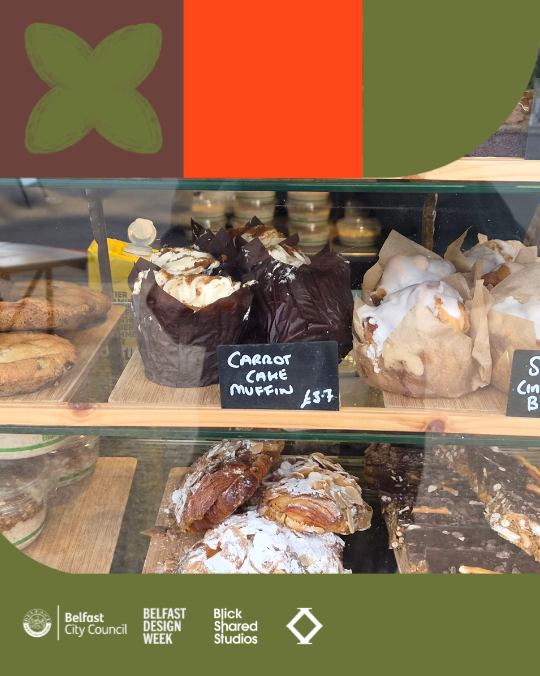
That's part of our core values that we really really try and stick to and go back to when we're making decisions. We like to bring in locally sourced ingredients and seasonal ingredients, we like to switch up our specials to accommodate what's in season as well, so for example over the summer we had stewed rhubarb overnight oats, and now we'll do a stewed apple. We have different syrups for our matchas and these would have been strawberry based when they're in season or blueberries, when they're in season.
We'll work with local greengrocers like Bethany which is based just 10 minutes away in East Belfast. They are amazing at what they do as well, and they are a business with very similar values to us. We try to encourage health and behavioural change as well. One way of doing that is that we do not charge any extra for oat milk. It is our only alternative milk as just by doing our research, we found that it used significantly less water and land use.
Our coffee comes from Groupwork. They’ve built really strong relationships with the farmers, and they care so much about what they're doing and taking care of the product. They are very kind and have accommodated our values through reusable buckets for the coffee.
We've worked with our suppliers and they've been so great as well in helping with making sure that our packaging is either recyclable or compostable. I've worked in so many hospitality jobs where you are lobbing black bags upon black bags every day and there's absolutely no need.
If you just think for a second about what you're doing and where you're getting your things from and how they're coming to you, it makes such a difference.
We also use the Huskee reusable cups.
And that's only a part of our model. And you know, I'm very, very proud of sticking to our values.
